


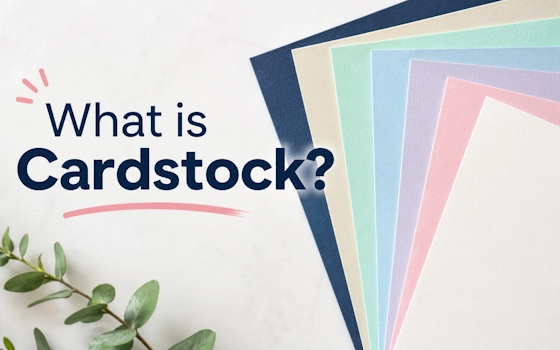
Cardstock is a thick, durable paper that is stronger than regular paper but thinner than cardboard. It is widely used for printing items that need strength and quality. From invitations and business cards to brochures and certificates, cardstock provides a professional look. Custom printing on cardstock allows businesses and individuals to showcase designs, logos, and messages clearly.
In this blog, you’ll learn about different types, uses, benefits, and more about cardstock.
Cover Stock vs Cardstock
Cover stock and cardstock are often confused. Cardstock is a broad category of thick, heavy paper used for many everyday projects like cards, tags, and brochures. Cover stock is a premium type of cardstock that’s thicker, stiffer, and made specifically for book covers, folders, and high-end printing.
In simple terms, all cover stock is cardstock, but not all cardstock is cover stock. Choosing the right one depends on the project’s purpose and handling needs.
Types of Cardstock
Cardstock comes in different types to suit various projects. Choosing the right type can make your products look more attractive.
- Glossy: Glossy cardstock has a shiny finish, making colors look bright and vibrant. It is perfect for brochures, flyers, and invitations.
- Matte: Matte cardstock has a smooth, non-shiny finish. It provides an elegant look, ideal for business cards and certificates.
- Textured: Textured cardstock has a raised or patterned surface. It works well for greeting cards and invitations that need a premium touch.
- Metallic: Metallic cardstock has a shiny, reflective surface that adds luxury to any design. It is great for event invitations or promotional materials.
- Glitter: Glitter cardstock adds sparkle to your projects. It is popular for holiday cards, gift tags, and party invitations.
- Kraft: Kraft cardstock has a natural brown color and a rustic feel. It is eco-friendly and commonly used for packaging, tags, and rustic-themed invitations.
- Patterned: Patterned cardstock comes with printed designs, textures, or artwork. It is excellent for craft projects, scrapbooking, and decorative cards.
Uses of Cardstock
Cardstock is versatile and used in many creative and professional applications:
- Crafting: Cardstock is perfect for DIY projects, scrapbooking, and handmade cards.
- Packaging: It can be used to create custom boxes for products like cosmetics, electronics, and more.
- Stationery: Cardstock works well for invitations, greeting cards, and note cards.
- Printing: Ideal for brochures, flyers, catalogs, and business cards.
- Schools and Offices: Used for reports, charts, flashcards, and educational materials.
- Decoration: Great for party decorations, banners, and event displays.
Thickness of Cardstock
Cardstock is measured in pounds (lb), points (pt), or grams per square meter (gsm). Different thicknesses serve different purposes:
- 12 pt: Light cardstock, suitable for flyers, small invitations, or inserts.
- 14 pt: Slightly thicker, ideal for greeting cards and brochures.
- 16 pt: Standard thickness for business cards and menus.
- 18 pt: Stronger option for certificates and premium invitations.
- 24 pt: Very thick, used for luxury cards, packaging, or craft projects.
How to Print on Cardstock?
Printing on cardstock is easy but requires the right technique:
- Use a laser printer for sharp text and images.
- Inkjet printers work well for glossy or textured surfaces.
- Ensure your design file matches the size and layout of the cardstock.
- For thicker cardstock, adjust the printer settings to handle heavier sheets.
- For professional quality, consider professional printing services for large quantities or special finishes.
Benefits of Cardstock
Using cardstock has many advantages:
- Strong and Durable: Cardstock holds up better than regular paper, making it ideal for handling, mailing, and long-term use.
- Versatile: It can be used for a variety of purposes, including crafts, marketing materials, and personal projects.
- Eco-Friendly: Many cardstock options are made from recycled or sustainable materials, making them environmentally friendly.
- Lightweight: Despite its thickness, cardstock is easy to store, carry, and ship.
- Easy to Print On: Cardstock works well with most printing techniques, allowing clear and vibrant designs.
- Cost-Effective: It is an affordable option for both small and large projects.
- Smooth Finish: The smooth surface of cardstock provides a professional look for text, graphics, and designs.
Conclusion
Cardstock is a versatile, strong, and professional material used across industries. With different types and thicknesses, it allows businesses and individuals to create high-quality prints. Its durability, eco-friendliness, and easy printing make it a preferred choice for packaging and personal projects. Whether you need glossy, matte, or metallic finishes, cardstock helps your designs look prominent while ensuring long-lasting quality.
For high-quality cardstock and custom printing solutions, choose a trusted packaging company or packaging manufacturer. They offer versatile product packaging options suitable for retail, gifts, and promotional use.
