


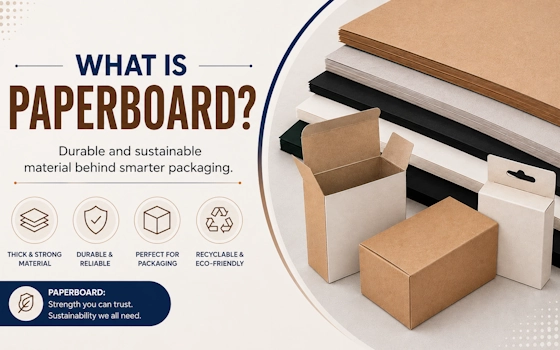
Paperboard is a durable and lightweight packaging material made from wood pulp or recycled paper pulp. It’s thicker than regular paper but not as heavy as cardboard. This makes it ideal for packaging lighter items or creating more intricate unboxing experiences. It is also one of the most used materials in the packaging industry. Mainly because of its strength, versatility, and cost-effectiveness. It is commonly used to manufacture folding cartons, cardboard packaging, and retail packaging. So if you are in the packaging business, understanding paperboard is important. As it can help you choose the right solution for product protection, branding and sustainability.
How Is Paperboard Made?
Paperboard is made through a simple process. This transforms wood fibers or recycled paper into durable sheets suitable for packaging. The process is designed to produce lightweight material with great strength and printability.
Manufacturing Process of Paperboard
Pulp Preparation
The process starts by converting virgin wood fibers or recycled paper into a soft pulp. This acts as the raw material for paperboard production.
Sheet Formation
Then the pulp is spread evenly onto a paper-making machine. Where excess water is removed to form a continuous sheet of paper fibers.
Pressing
Later the wet sheet passes through rollers. Which squeeze out additional water. It also strengthens and compactifies the fibers.
Drying
Then the pressed sheet moves through heated drying cylinders. Where steam removes the remaining moisture and creates a dry paperboard sheet.
Thickness Control
The paperboard passes between steel rollers that compress it to the required thickness. Which depends on its intended packaging application.
Surface Coating (Optional)
Lastly, if needed, manufacturers apply coatings to improve the paperboard’s print quality, look and durability. The finished paperboard is then cut into sheets or rolls and prepared for packaging production.
4 Common Types of Paperboard
Paperboard is available in various grades. Each is designed for specific packaging needs. The right type depends on various factors. Such as product weight, durability, print quality and sustainability.
So below are four of the most used paperboard types in the packaging industry:
1. Solid Bleached Sulfate (SBS)
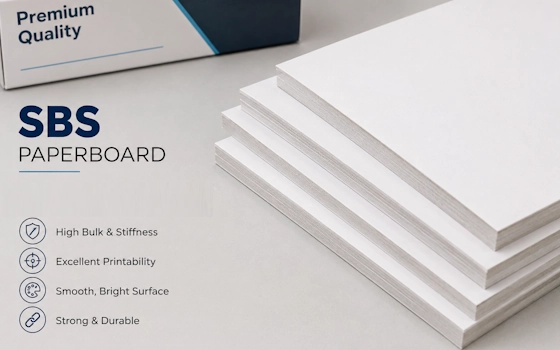
Solid Bleached Sulfate (SBS) is a premium paperboard made from bleached virgin wood pulp. It is at least 80% virgin wood pulp. It features a bright white and smooth surface which gives excellent print quality. This makes it ideal for luxury and food packaging.
2. Coated Unbleached Kraft (CUK)
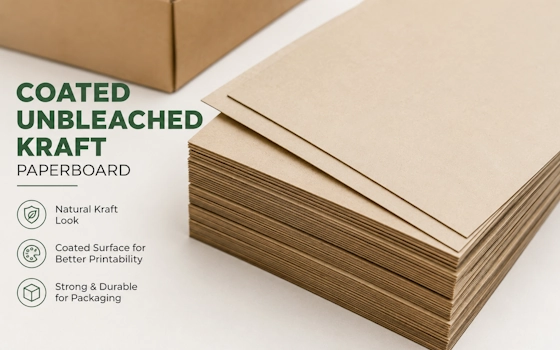
Coated Unbleached Kraft (CUK) is made from unbleached virgin kraft fibers. Which gives it a natural brown interior with a coated white printing surface. It is known for its strength, durability and also tear resistance. Which makes it suitable for heavier products.
3. Coated Recycled Paperboard (CRB)
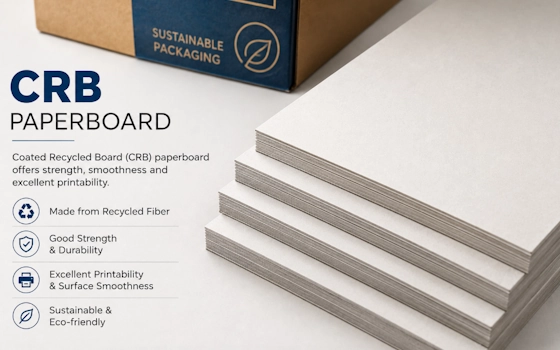
Coated Recycled Paperboard (CRB) is manufactured from recycled paper fibers and coated to provide a smooth printing surface. It is an eco friendly and cost effective option for many consumer goods. While supporting sustainable packaging practices. It is 100% recycled material.
4. Chipboard (Non-Bending Chipboard)
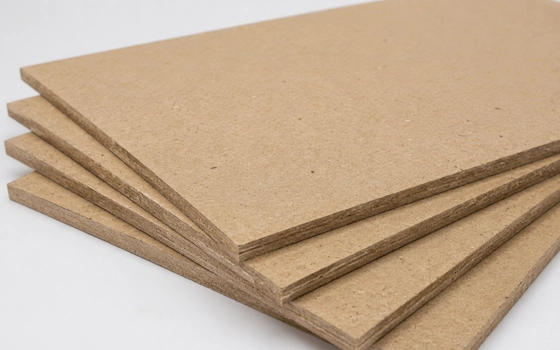
Chipboard is a thick paperboard made from recycled paper materials. It is commonly used as the base material for rigid boxes. As it provides excellent strength and maintains its shape. Moreover, it creates a premium look.
Common Uses of Paperboard Packaging
Paperboard is used across many industries because it is lightweight and durable. It is easy to print and recyclable. It provides protection and improves product presentation and branding.
Food and Beverage
Paperboard is used to package food products that require lightweight yet durable protection.
Common Examples:
- Cereal boxes
- Pasta boxes
- Frozen food cartons
- Snack packaging
- Tea and coffee boxes
- Bakery packaging
- Beverage carriers
Pharmaceutical and Healthcare
Paperboard protects healthcare products and provides space for important information, usage instructions, and branding.
Common Examples:
- Medicine boxes
- Supplement packaging
- Toothpaste cartons
- Soap boxes
- Bandage packaging
- Tissue boxes
- Personal care product cartons
Cosmetics and Beauty Products
The smooth printing surface of paperboard makes it a great choice for attractive cosmetic and skincare packaging.
Common Examples:
- Makeup boxes
- Skincare packaging
- Hair color boxes
- Perfume cartons
- Face cream boxes
- Lipstick packaging
Electronics
Paperboard packaging protects electronic products. It offers a professional look for retail display.
Common Examples:
- Mobile phone boxes
- Tablet packaging
- Charger boxes
- Earphone packaging
- Electronic accessory boxes
- Cable packaging
Consumer Goods and Household Products
Many everyday household products are packed in paperboard. As it is durable, cost effective and also easy to customize.
Common Examples:
- Toy packaging
- Stationery boxes
- Envelope packaging
- Laundry product cartons
- Household accessory packaging
- Gift boxes
Why Is Paperboard a Popular Packaging Material?
Paperboard is one of the most popular packaging material choices. As it offers strength and flexibility and also affordability and sustainability. Moreover, it is suitable for a range of products.
Benefits of Paperboard Packaging
- Highly Versatile: Paperboard can be cut and folded. Then shaped and customized into various box styles and packaging designs.
- Excellent Print Quality: Its smooth surface supports vibrant colors, sharp graphics and high quality printing. Which makes products more attractive on retail shelves.
- Cost Effective: Paperboard reduces manufacturing, storage and transportation costs. All without compromising protection as it is lightweight
- Strong and Durable: It provides strength to protect products and maintain its shape during handling, storage and shipping.
- Easy to Store: Paperboard packaging is lightweight and can be shipped and stored flat. It helps businesses save valuable warehouse space.
- Ideal for Branding: It offers space for logos, product details, promotional messages and custom finishes that strengthen brand identity.
Conclusion
Paperboard is a versatile and lightweight but durable packaging material. It is important in modern packaging, from food and cosmetics to pharmaceuticals and electronics. As it provides protection and also improves product presentation. Moreover with different grades available, paperboard offers excellent printability, cost effectiveness and sustainability. Its recyclable nature makes it an eco-friendly choice for businesses who are looking to reduce their environmental impact.
So no matter if you’re packaging everyday products or premium retail items, paperboard is the ideal choice. As it remains a practical and dependable solution for creating attractive, functional and sustainable packaging.
