


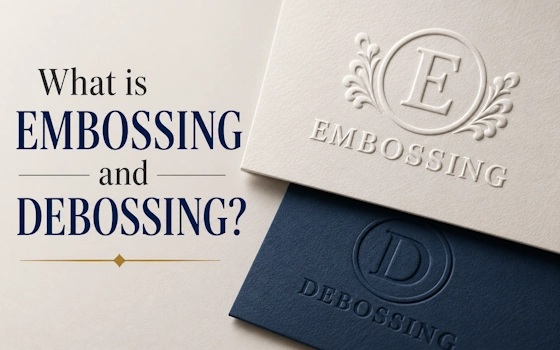
Embossing and debossing are printing techniques used to create raised or pressed-in designs on paper, packaging, and printed materials. These methods add a premium feel, making logos, text, and patterns look more elegant and professional. Many brands use them to improve product packaging, stationery, and marketing materials.
This blog discusses what embossing and debossing are, their comparison and process, and why you should choose them.
Embossing
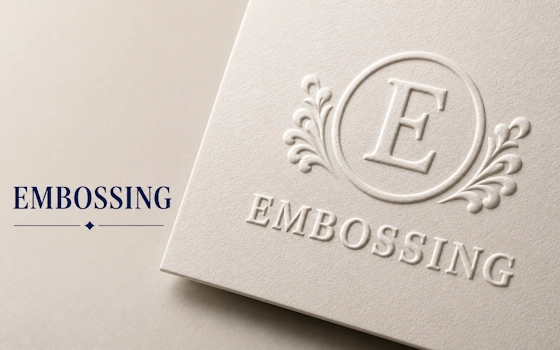
Embossing is the process of creating a raised impression on a surface. The design is pushed upward, giving it a 3D look and a smooth feel. It is often used for logos, brand names, seals, and decorative patterns. Embossing makes certain elements prominent and adds a premium finishing to any packaging.
Debossing
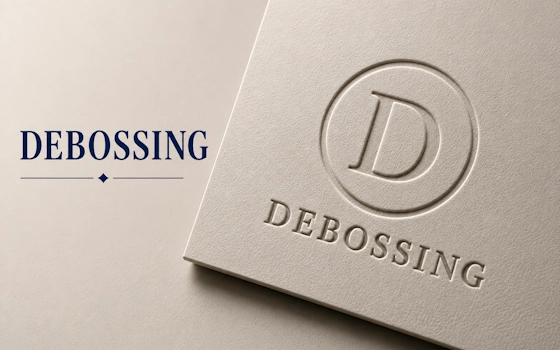
Debossing is the opposite of embossing. It creates a sunken or pressed-in design on the material. The artwork is pushed downward, resulting in a subtle, engraved look. Debossing gives packaging a minimal look. It works well with leather, paper, cardboard, and rigid boxes.
Comparison Between Embossing and Debossing
Both embossing and debossing add texture and depth, but embossing raises the design while debossing presses it into the material. Embossing is more noticeable and bold, whereas debossing is more subtle and elegant. The choice depends on the look and feel a brand wants to achieve.
The Process of Embossing and Debossing
Design Creation
The process starts with preparing the artwork. The design must be simple and suitable for a raised or recessed effect. Designers create a vector file that shows which parts of the design will be embossed or debossed.
Die Manufacturing
Next, a metal die is created. This die has the exact shape of the design. For embossing, a matching male and female die is made to push the material upward. For debossing, one die is typically used along with a counter plate to press the design inward.
Set up on Material
The dies and the chosen material (paper, cardboard, or rigid board) are placed carefully on the machine. Proper alignment is important to ensure the design appears in the correct location.
Pressing
Heat and pressure are applied to press the die into the material. This creates the raised (embossed) or recessed (debossed) design. The pressure must be consistent to achieve a clean and sharp finish.
Final Touches
After pressing, the material is checked for quality. Embossing and debossing can also be combined with foil stamping, spot UV, or printing to improve the final look. Any rough edges are smoothed out, and the product is ready for use.
Why Choose Embossing and Debossing in Packaging?
Embossing and debossing make packaging and printed items look premium and luxurious. They add a unique texture that customers can feel, helping your brand make a stronger impression.
These techniques highlight important details like logos or names and improve the overall presentation of your product. They work well for business cards, rigid boxes, invitations, gift packaging, and branding materials.
Conclusion
Debossing and embossing are easy ways to give your packaging a clean and stylish look. They add depth and texture that make your designs feel more professional. By using these techniques, you can improve the overall presentation of your products and create a stronger impression on customers.
