


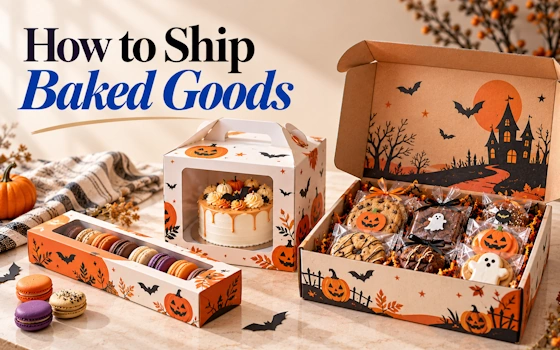
Sending baked goods to customers is a thoughtful way to share homemade treats. Cookies, cakes, brownies, and pies can make special occasions even better. However, shipping baked goods takes careful planning because food can lose freshness or break during transit.
This guide explains how to pack baked goods, how to ship baked goods and estimate shipping costs, along with preparing international orders.
Which Baked Goods Are Suitable for Shipping?
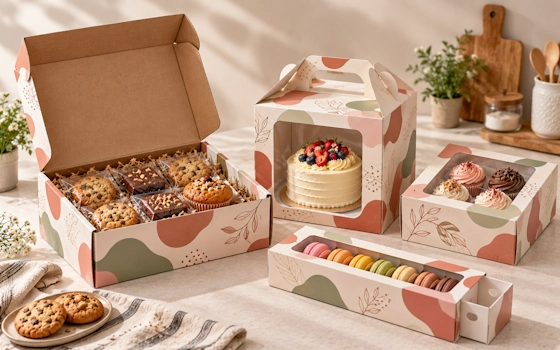
The best baked goods for shipping are those that can hold their shape and stay fresh for several days. Avoid treats that need to be served within a few hours or require strict temperature control. Ingredients and weather conditions can also affect how well food travels. Our Bakery boxes are the best option for shipping bakery goods.
Here are some common options to consider.
- Cookies: Biscotti and oat cookies are good choices because they can hold their shape during transit. Thin cookies such as lace cookies or tuiles break more easily. Cookies containing chocolate chips or nuts may also release oils that affect freshness.
- Cakes: Unfrosted loaf cakes are easier to ship than cakes with fresh cream. Cakes with buttercream or fondant icing may need cooling packs and suitable temperature protection.
- Pies: Pies can be suitable for shipping when they are packed properly and can maintain their quality during transit.
- Bread: Bread can travel well when it is packed correctly. Airtight bags or plastic wrap can help keep it from drying out.
- Candy: Many types of candy can be shipped, mostly when placed in a suitable packaging that protects them from damage.
Avoid shipping ice cream, fresh cream products, or other items that need strict temperature control unless you have suitable packaging and a shipping service that can maintain the required conditions. Choose treats based on their ingredients and the expected delivery time. These factors determine whether the food can reach its destination in good condition.
Steps for Packing Baked Goods for Shipping
Proper packing protects baked goods from breakage and moisture. It can also maintain freshness during delivery. The packing method depends on the type of treat but most shipments need protective materials and a strong box.
Packing Materials
Gather the right materials before packing your baked goods. All items have a different purpose, so choose materials as per the type of food and how it needs to be protected.
- Tin containers: Tin boxes work well for cookies and candy because their durable structure protects treats from crushing.
- Sturdy cardboard boxes: These provide another option for holding cookies and other baked goods.
- Airtight bags and plastic wrap: Use these for bread and unfrosted cakes to retain moisture and freshness.
- Wax paper, butter paper or tissue paper: These materials can separate baked goods and line their box.
- Bubble wrap and packing peanuts: These materials protect the box and limit movement inside the box.
- Cool packs: These may be needed for frosted cakes or other treats that require temperature protection. Check the food and carrier requirements before shipping.
- A larger corrugated cardboard box: This acts as the shipping box for your treats.
Choose food-safe materials for direct contact with baked goods.
How to Pack Cookies for Shipping
Cookies can crumble or break if they move around inside their box. Follow these steps to help keep them secure during transit.
- Line the box: Place wax paper or butter paper inside a tin or sturdy cardboard box.
- Arrange the baked items: Place the cookies or other treats inside. Too many food items in one box can cause them to press against each other.
- Cover the items: Fold the paper over the top of the baked items and close the box with its lid.
- Check for movement: Gently shake the closed box. If the items move around, add more paper to keep them in place.
- Secure the box: Tape the lid if needed. If you are using a cardboard box, secure its sides and corners as well.
- Add a personal touch: If the items are a gift, tie a ribbon or bow around the box.
- Prepare the outer box: Add bubble wrap or packing peanuts to the bottom of a larger corrugated shipping box.
- Place the container inside: Set the packed cookie container on top of the padding.
- Fill the gaps: Add bubble wrap or packing peanuts around the sides and top of the box. Make sure the box cannot shift during transit.
- Seal the shipping box: Close the box and tape it securely. Cover the bottom and corners with tape to help keep the package closed during handling.
- Add the shipping label: Write or print the recipient’s name and address clearly. Place the label where it can be seen easily. You can also print a label through your selected courier service.
How Much Does Shipping Baked Goods Cost?
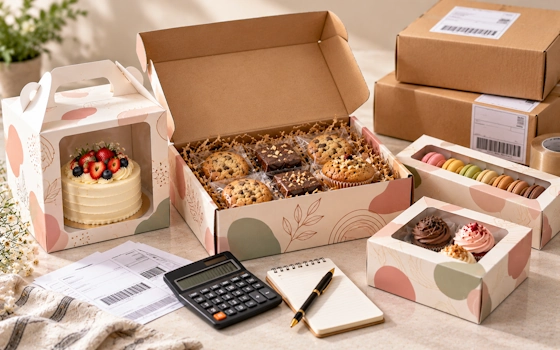
The cost of shipping baked goods depends mainly on the package’s destination and weight as well as dimensions. The courier and delivery speed also affect the final price. Faster services cost more than slower options, so compare delivery estimates before choosing a service. A shipping rate calculator can help you estimate costs for different carriers and delivery options.
| Courier service | Example price |
| FedEx First Overnight | $108.46 |
| FedEx Priority Overnight | $77.33 |
| FedEx Standard Overnight | $72.44 |
| FedEx 2Day AM | $37.68 |
| FedEx Express Saver | $24.18 |
| FedEx Ground | $11.90 |
| UPS 2nd Day Air | $39.50 |
| UPS Ground | $26.50 |
| USPS Priority Mail Express 1 Day | $46.20 |
| USPS Priority Mail 3-Day | $11.75 |
| USPS Retail Ground | $11.60 |
| USPS Priority Mail via Easyship | $9.00 |
| USPS Parcel Select via Easyship | $9.27 |
| USPS Priority Mail Express 1 Day via Easyship | $39.05 |
To manage shipping costs, compare several services and consider how quickly the baked goods need to arrive. Make sure the chosen delivery time suits the product’s shelf life. A low-cost service may not be the best choice if the box takes too long to reach the recipient.
What to Know About International Baked Goods Shipping
Yes, baked goods can be shipped internationally in some cases, but the rules depend on the destination country and the type of food, along with the shipping service. USPS, UPS, and FedEx offer international shipping options, but you must confirm that your chosen service accepts the specific food you plan to send.
Before preparing an international order, check these requirements:
- Review the destination country’s rules: Some countries restrict or prohibit homemade food. Others may only accept commercially made and packaged food that meets their import requirements.
- Check the type of ingredients: Items containing fresh cream or raw ingredients may face additional restrictions.
- Complete customs forms: Provide accurate details about the products and purpose of the shipment. Follow the carrier’s instructions for declaring food items.
- Check gift requirements: Some shipments may have specific conditions when food is sent as a gift. Confirm if these rules apply to your shipment.
- Account for duties and taxes: International orders may be subject to import duties, taxes or other charges. Check who is responsible for these costs before sending the package.
- Confirm delivery requirements: Make sure the courier serves the destination and can deliver the box within a suitable time period.
Make Occasions Special With Baked Goods Delivery
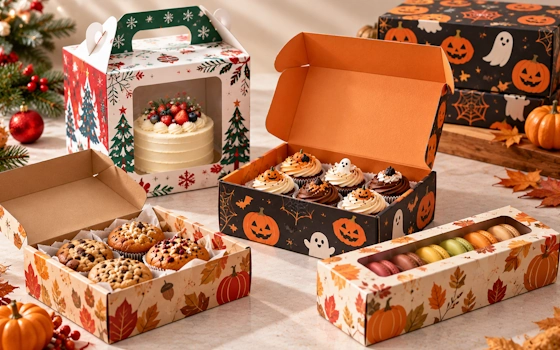
Sending baked goods is a simple way to make a birthday, holiday or family gathering more special. Homemade brownies and other treats can be thoughtful gifts for friends and relatives. Online bakeries can also use shipping to send orders to customers who live farther away.
Plan the shipment around the occasion and the product’s shelf life. Choose treats that can stay fresh during transit and pack them in bakery boxes for shipping that prevent crushing. Use suitable cushioning and seal the box carefully.
Delivery timing matters too. Check the courier’s estimated delivery date and allow enough time for the package to arrive before the celebration. For international gifts, review customs requirements and any possible duties or taxes in advance. With the right packaging and delivery plan, you can ship baked goods safely and ensure your treats arrive ready to enjoy.
Conclusion
Shipping baked goods requires careful choices at every stage. Select treats that can maintain their freshness and shape for several days. Use suitable packing materials and a sturdy box to protect them during transit.
Shipping costs depend on package weight and dimensions along with destination and courier. Compare current rates before making a decision, and check food import rules before sending international orders. Customs forms and taxes with destination restrictions may also apply.
By planning the packaging and delivery process in advance, you can send baked goods with greater confidence and help your treats arrive ready to enjoy.
