


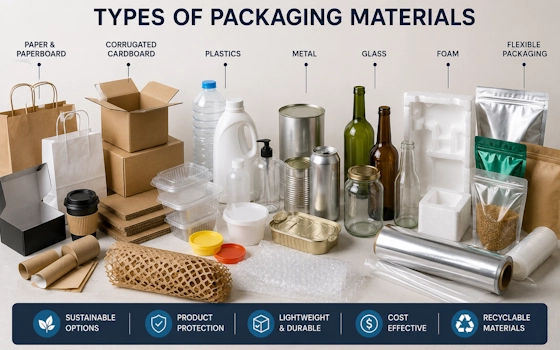
Packaging materials are important for protecting products, preserving quality and reducing shipping damage. They also create a positive customer experience. Choosing the right packaging material affects production costs, product safety, sustainability and also brand perception. Selecting the most suitable material is important. Sustainability has also become an important consideration when choosing packaging materials. According to McKinsey’s 2025 packaging survey 77% of U.S. consumers consider the environmental impact of packaging “extremely important” or “very important”. Whereas recyclable and paper-based packaging continues to be among the most preferred sustainable options.
In this guide, you will explore the different types of packaging materials and more.
10 Types of Packaging Materials
Every packaging material has unique properties which make it suitable for specific products and industries. Some materials provide great strength for shipping. Whereas others offer premium presentation or sustainability. Choosing the right packaging material protects your products, improves shelf look and ensures they reach customers in perfect condition.
Selecting the best material can be challenging as they are so many options available. Such as cardboard, glass, plastic and more. So no matter if you are packaging food, cosmetics, electronics, gifts or retail products, understanding these materials will help you make better choices. It will help meet your product and business needs.
Kraft
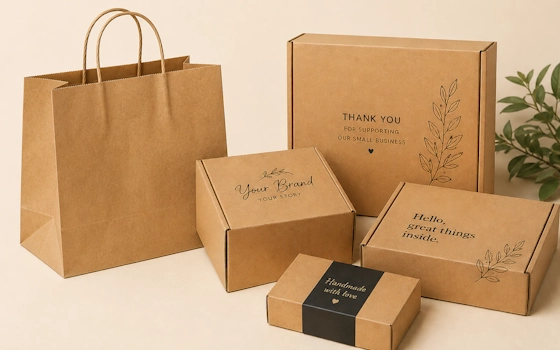
Kraft paper is one of the most used packaging materials. As it is durable, lightweight and eco friendly. It is biodegradable and recyclable and still provides moisture resistance. Its natural brown look also makes it a popular choice for brands looking for sustainable solutions.
Kraft paper is available in different thicknesses according to various packaging needs. It provides good protection handling. Which makes it suitable for retail and shipping.
Common Uses
Kraft paper is used for packaging products such as:
- Gift bags
- Food pouches
- Jewelry boxes
- Shopping bags
- Bakery packaging
Moreover its affordability and eco friendly properties make kraft paper a top choice for businesses across many industries.
Rigid
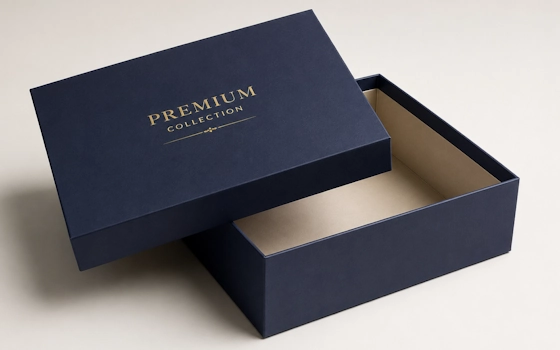
Rigid board is a thick and durable packaging material. Which is used to make high end rigid boxes. It is much stronger than folding carton materials. Which makes it ideal for products which require maximum protection and a premium presentation. Its durable structure also improves the perceived value of the product.
Rigid board is used for luxury packaging because it maintains its shape, resists crushing and protects products. Especially during storage, shipping and handling.
Common Uses
Rigid board is used for packaging products such as:
- Luxury gift boxes
- Jewelry boxes
- Perfume boxes
- Watch boxes
Although rigid board is more expensive than materials like kraft paper, paperboard and corrugated cardboard it offers strength and durability. Its premium look also makes it a preferred choice for luxury and high value products.
Cardboard
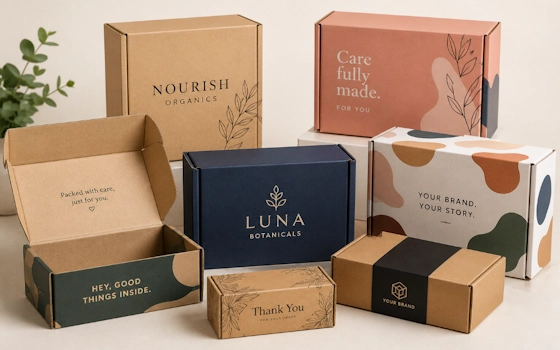
Cardboard is a lightweight but durable material. Which is made by layering sheets of paperboard. It is biodegradable and recyclable. It is also used by various industries. As it offers strength, affordability and also sustainability.
It is available in natural brown or grey shades. Cardboard can be dyed, printed, coated and laminated according to your packaging needs. Its sturdy construction protects products during storage and shipping and still keeps packaging lightweight. Cardboard can also be easily cut and folded into various box styles. Which makes it suitable for a range of retail and shipping applications.
Common Uses
Cardboard is used for packaging products such as:
- Retail product boxes
- Cosmetic boxes
- Pharmaceutical packaging
- Electronics packaging
- Stationery packaging
- E-commerce shipping boxes
Its durability and eco friendly properties make cardboard one of the most popular packaging materials for businesses of all sizes.
Paperboard
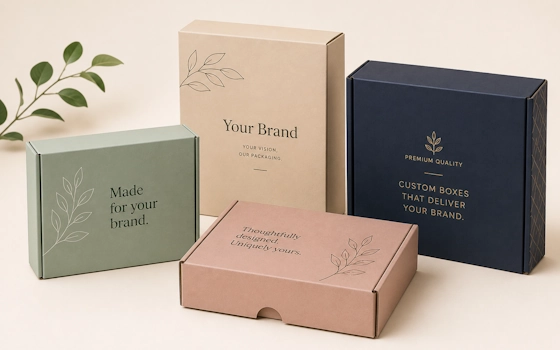
Paperboard is a lightweight packaging material that is thicker than regular paper but thinner than cardboard. It is used for packaging lightweight products. As it offers good printability, flexibility and cost effectiveness. While maintaining an attractive presentation.
It also provides a smooth surface for high quality printing. Which makes it ideal for retail packaging. It offers protection for lightweight products but it is not recommended for heavy or highly fragile items.
Common Uses
Paperboard is used for packaging products such as:
- Cereal boxes
- Toy boxes
- DVDs
- Stationery boxes
- Frozen Food packaging
Moreover, its lightweight structure, affordability and excellent print quality make paperboard one of the most popular materials.
Foam
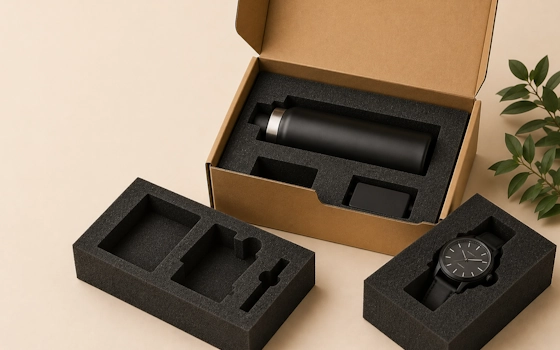
Foam is made from polystyrene beads. Which expands into a sponge like material when heated. It is a protective packaging material used to protect fragile and delicate products during storage and shipping. As it absorbs shocks, vibrations and impacts. Different types of packaging foam such as EVA, PE, PU, PVC, TPE and IXPE are available.
Foam is lightweight and also durable. It is also reusable which makes them an ideal choice for protecting valuable or sensitive items.
Common Uses
Foam is used for packaging products such as:
- Electronics
- Automotive parts
- Children’s toys
- Sports tools
Lastly its lightweight structure and reusability make foam great for fragile and high value products.
Glass
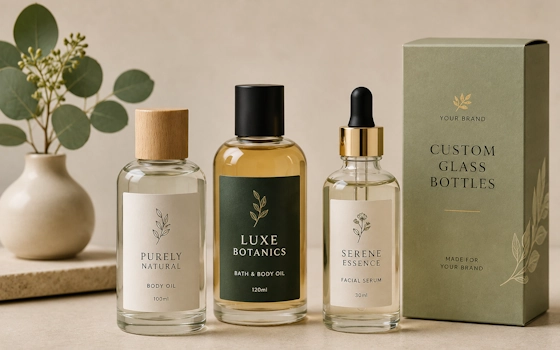
Glass is one of the oldest and most trusted packaging materials. Which is used for products that require product preservation. It maintains the quality, freshness and flavor of products. Glass is also 100% recyclable and can be reused multiple times without losing its quality.
It is customizable in various colors, shapes and thicknesses. This glass packaging offers a premium look that improves product presentation. Its durability and elegant look make it ideal for many food, beverage, cosmetic and pharmaceutical products.
Common Uses
Glass is used for packaging products such as:
- Beverages
- Perfumes and fragrances
- Cosmetics products
- Candles
Its recyclability and premium look make glass an ideal material for products which require long shelf life and high quality presentation.
Stretch Film
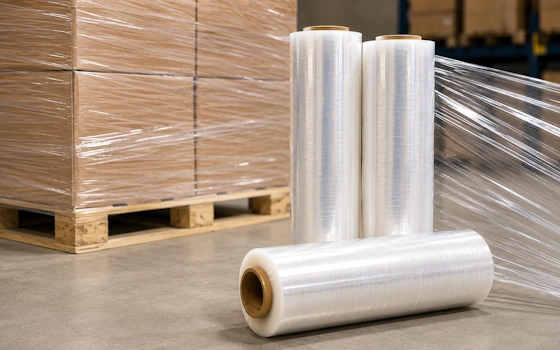
Stretch film is a flexible plastic packaging material made from linear low-density polyethylene (LLDPE). It is used to wrap cartons, pallets and other products to keep them secure during storage and shipping. Its stretchable design tightly keeps items together. Which prevents movement and reduces the risk of damage.
It is available in different sizes and colors according to your needs. It is a cost effective solution which is preferred by various businesses.
Common Uses
Stretch film is widely used for packaging:
- Consumer goods
- Industrial equipment
- Warehouse storage items
- Automotive parts
This material is a great option for shipping, warehousing and logistics.
Polyethylene or Polythene
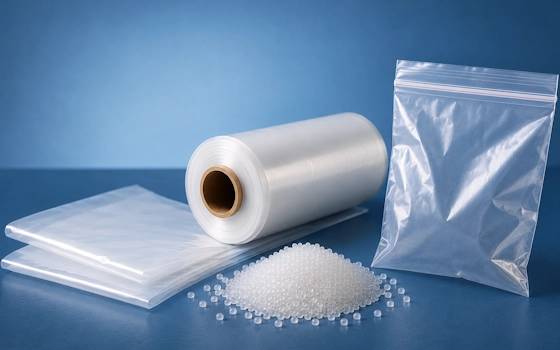
Polyethylene is also known as polythene. It is one of the most used plastic packaging materials. It is lightweight, flexible and durable. Which makes it suitable for a range of packaging applications. Polyethylene also provides moisture resistance. Which protects products from water, humidity and other environmental factors during storage and shipping.
There are a few types of polyethylene. Such as:
- High density polyethylene (HDPE)
- Low density polyethylene (LDPE)
- Linear low-density polyethylene (LLDPE)
- Ultra high molecular weight polyethylene (UHMWPE)
- Chlorinated polyethylene (CPE)
Each type offers different levels of strength, flexibility and durability according to your specific packaging requirements.
Common Uses
Polyethylene is commonly used for packaging products such as:
- Food packaging
- Protective wraps
- Shopping bags
- Pouches
It is used across the food, retail and industrial industries.
Aluminum Foil
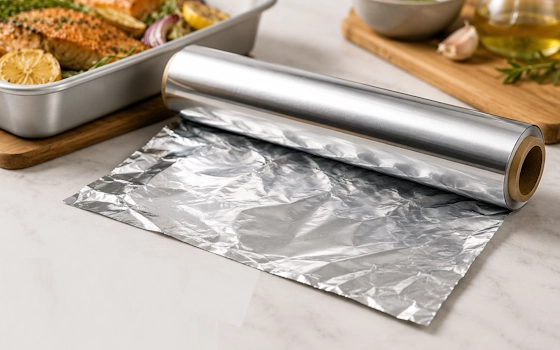
Aluminum foil is a lightweight and flexible packaging material. Which is made from thin sheets of aluminum. It is used because it provides a barrier against moisture, light, oxygen and contaminants. As it preserves product freshness and extends shelf life. It offers good corrosion resistance. It can also be easily shaped or wrapped around products of different sizes.
Common Uses
Aluminum foil is used for packaging:
- Food products
- Chocolates and confectionery
- Dairy products
- Beverages
- Soap bars
Aluminum foil is one of the most reliable materials for protecting products from moisture, air and light.
Plastic
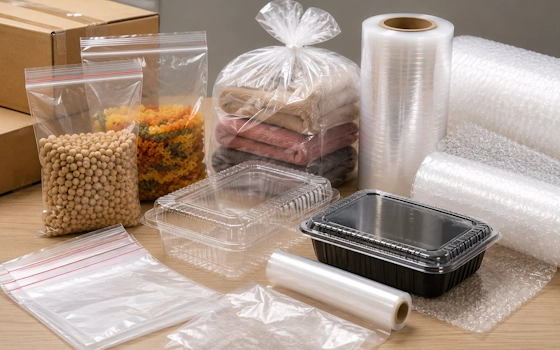
Plastic is one of the most used packaging materials. As it is lightweight and durable. It is available in several types. Including PET, PP, HDPE, LDPE, PVC, PS, PLA and rPET. Each offers different levels of strength, flexibility and moisture resistance.
Plastic packaging protects from moisture, humidity and also contaminants. It can be made in various forms. Such as bags, pouches, bottles, containers, films and boxes. So choosing recyclable or recycled plastic options can reduce environmental impact.
Common Uses
Plastic is used for packaging products such as:
- Food and beverage packaging
- Flexible pouches
- Mylar bags
- Coffee bags
- Grocery bags
- Promotional Pouches
It is also to note that not all plastic materials are eco-friendly. So you have to choose what fits your brand best.
Conclusion
In conclusion, there are various great options for packaging materials. In this article, we discussed the top 10 packaging materials. They range from kraft, rigid, cardboard, glass to plastic. It all comes down to your own preferences and needs. Selecting the right material helps you to preserve your product, protect it, and improve its presentation.
